


Social Media Video Production in 2026: What Actually Changed
The world of social media video production in 2026 has changed dramatically from what creators and small businesses were used to just a few years ago. Gone are the days when a polished 3-minute video could dominate feeds; today, success depends on speed, relevance, and adaptability. Whether you’re a freelancer managing multiple client accounts, a small business trying to maintain a consistent social presence, or an e-commerce store aiming to drive conversions, understanding the shifts in social media video production is crucial.
The Features of Social Media Video Production in 2026
Short-Form Content Dominates
In 2026, short-form content rules the social media ecosystem. Platforms prioritize engagement over production polish, meaning a well-edited 30-second clip can outperform a high-budget commercial. Vertical-first thinking dominates on TikTok, Instagram Reels, and YouTube Shorts, while square or horizontal formats remain valuable for Facebook, LinkedIn, and email campaigns.
The fitness brand Gymshark posts quick workout tutorials and motivational clips under 45 seconds, often shot with smartphones. These videos receive millions of views and shares, outperforming longer studio-produced ads. Similarly, e-commerce shops often show product demos in under a minute, focusing on one clear benefit per video, which keeps viewers’ attention and drives conversions.
AI Transforms Video Production
AI integration has revolutionized the way creators work. Automated captioning, scene recognition, and adaptive editing allow small teams to produce videos at scale.
Freelancers managing multiple social media accounts use tools like Descript to automatically transcribe videos, remove filler words, and generate subtitles. A small agency creating weekly content for clients can batch process 10–15 videos in an afternoon, a task that previously took multiple days manually. AI can also suggest scene cuts based on audience retention data, making content more engaging without extra manual editing.
Data-Driven Optimization
Video production for social media in 2026 is driven by analytics. Platforms now provide granular insights into watch time, completion rates, and interaction patterns, which inform every creative decision. An online education brand noticed that their 60-second tutorial videos had a 50% drop-off after 15 seconds. By analyzing the data, they changed the hook to a question (“Ever struggled with X?”) and moved the key takeaway to the first 10 seconds. Result: watch-through rates increased by 35%, and engagement doubled. Small brands and creators can apply similar tactics using built-in analytics from Instagram, TikTok, or YouTube Studio.
Authenticity & User-Generated Content (UGC) Matter
Authentic content builds trust and engagement. Overly polished commercials often feel distant, while humanized content resonates better with audiences.
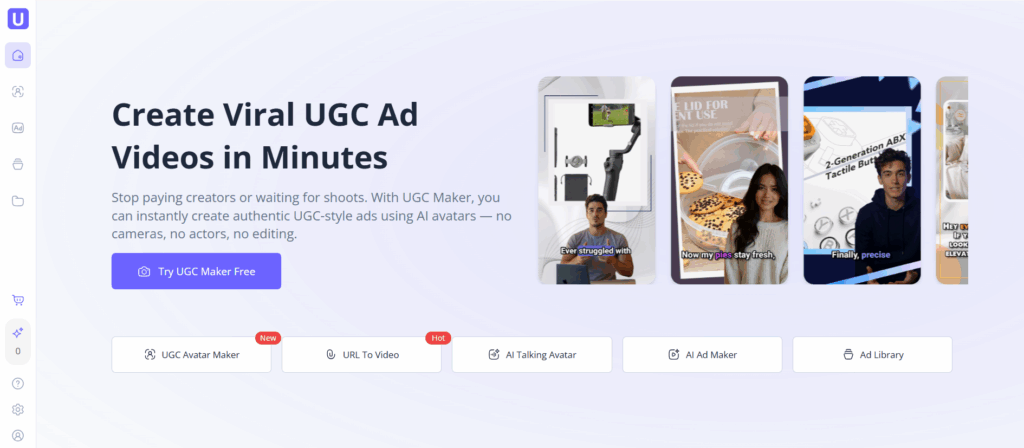
A skincare brand asked real customers to share their morning routines using their products. These UGC-style clips, filmed with smartphones, were compiled into a weekly highlight reel. Engagement rates were three times higher than their previous studio-produced ads. Small creators can emulate this by encouraging customers to send short clips or recording themselves using the product in real life. Tools like UGC maker can help polish these clips if needed, but the focus should be on authenticity, not overproduction.
Why Traditional Video Production No Longer Fits Social Media
Traditional video production workflows—long pre-production phases, expensive equipment, and single-platform outputs—simply don’t scale for today’s social-first world. Social media audiences demand immediacy. They scroll fast and have limited patience, so your video needs to grab attention within the first three seconds.
For freelancers and small businesses, traditional methods can also be cost-prohibitive. Waiting days for a single video edit or trying to produce content for multiple platforms using old-school software slows down your growth. In 2026, adaptability and speed outweigh polish; a well-conceived 45-second clip can perform better than a heavily edited two-minute commercial.
Social Media Video Production vs Traditional Video Production
Social media video production diverges from traditional approaches in several critical ways. Understanding these differences is key to creating content that resonates in 2026.
Why Traditional Video Production No Longer Fits Social Media
Traditional video production focuses on storytelling that unfolds over minutes, often targeting television or YouTube audiences. These videos emphasize cinematography, scripted narratives, and high production budgets. While visually impressive, this style can feel disconnected on platforms where users expect quick, digestible content.
For creators managing limited budgets and tight timelines, traditional approaches are cumbersome. The repetitive edits for different formats, slow approvals, and the need for specialized equipment can make this workflow inefficient and stressful.
What Modern Social Media Video Production Looks Like
Modern social media video production focuses on speed, adaptability, and relatability. Key elements include:
- Modular Scripts: Break content into small, reusable segments. A single product demo can become three different videos for Instagram, TikTok, and LinkedIn.
- Multi-Format Output: Vertical for Reels, square for Facebook feeds, horizontal for LinkedIn.
- Short, Punchy Storytelling: Hook viewers in the first three seconds. Keep messages concise and focused.
- AI-Assisted Editing: Automate repetitive tasks like trimming, captioning, and scene optimization.
This approach allows freelancers and small teams to produce more content with fewer resources while still achieving professional results.
Video Production for Social Media Starts With the Platform, Not the Camera
Platform-First Thinking in Social Media Video Production
Before picking up a camera or opening your editing software, decide where your video will live. Each platform has unique requirements, user behaviors, and content preferences. Tailoring your content to these nuances first saves time, reduces rework, and ensures higher engagement.
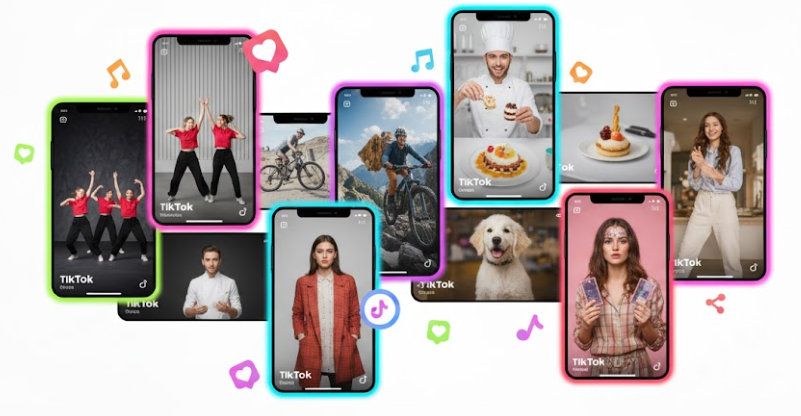
TikTok & Instagram Reels: Short, Vertical, and Fast-Paced
These platforms reward playful, vertical content that captures attention within the first 3 seconds. Videos that are 15–30 seconds long, use music, trends, and clear visual hooks tend to perform best. The brand Duolingo often posts humorous, vertical Reels featuring their mascot interacting with trending sounds. The short, playful format drives millions of views without expensive production.
Practical Tip: Shoot vertical with a smartphone, add captions, and start with a hook—questions, jokes, or a bold statement work well. You can also batch create multiple clips in one session to reuse audio or effects.
Facebook: Square, Engagement-Driven, Versatile
Facebook is versatile, and square (1:1) or short horizontal videos often perform well. Engagement is prioritized over production polish, so interactive, discussion-inspiring content tends to get shared more. Small e-commerce brands post 30–60 second product tips or “did-you-know” clips in square format. Posts with questions or calls-to-action (“Which color would you choose?”) get more comments and shares.
Practical Tip: Keep videos between 30 seconds and 2 minutes, and always include captions. Encourage interaction by asking questions or prompting reactions. By understanding these nuances first, you can tailor content without wasting resources. Modern tools allow you to create one master video and adapt it automatically for multiple platforms, ensuring consistency and saving time.
LinkedIn: Professional, Longer-Form, Horizontal
LinkedIn favors professional content with educational or B2B value. Horizontal (16:9) videos between 1–3 minutes work well for thought leadership, product demos, and webinars. A marketing consultancy shares horizontal “case study breakdown” videos. These videos are lightly edited but provide actionable insights, helping the firm generate leads and authority in their niche.
Practical Tip: Focus on delivering professional value in a concise way. Open with the takeaway, use slides or captions sparingly, and consider recording in a well-lit, professional-looking space.
Video Production Social Media Formats That Still Work in 2026
The most effective formats in 2026:
- Short Tutorials (30–60 seconds)
- Before/After Demonstrations
- Quick Comparisons and Tips
- UGC-Style Testimonials
Vertical-first content dominates on TikTok and Reels, but square and horizontal formats are still valuable for emails and LinkedIn campaigns.
Technical Standards for Social Media Video Production
The technical quality of your videos directly impacts how viewers perceive your brand and whether your content performs well on social media. Even short-form clips benefit from proper resolution, sound, and export settings to ensure a seamless experience across devices.
Resolution and Image Quality
To maintain clarity and professionalism on all screens, consider these standards:
- Minimum resolution: 1080x1080 for square content; 1080x1920 for vertical
- Recommended bitrate: 8–12 Mbps for 1080p videos
- Frame rate: 30 fps for standard videos, 60 fps for fast-motion or action clips
- Preferred codec: H.264 for maximum compatibility across platforms
Maintaining these settings ensures that videos look crisp and professional whether viewed on a smartphone, tablet, or desktop.
Audio Best Practices
Audio quality is often underestimated but plays a huge role in engagement. Social media users often watch with sound on, so clear, consistent audio is essential.
- Target loudness: around -14 LUFS for balanced playback
- Compression: light compression to prevent sudden volume jumps
- Background music: keep 10 dB lower than dialogue or main audio
- Subtitles: always include captions for accessibility and higher retention
Even small tweaks, like normalizing volume across clips, can drastically improve viewer experience.
Export and File Settings
Optimized export settings help your content maintain quality while meeting platform restrictions:
- Video format: MP4 with H.264 codec
- Audio format: AAC, 128–256 Kbps
- Maximum file size: tailored to each platform’s limit
- Color profile: Rec. 709 for consistent brightness and color fidelity
By adhering to these standards, your videos will appear polished, professional, and consistent across Instagram, TikTok, LinkedIn, Facebook, and other platforms—without needing high-end studio equipment. Tools like URL to Video make it easy to adapt your content to multiple formats automatically, saving time and ensuring consistency.
Social Media Video Production Guides: A Practical Workflow
Step 1 — Define One Clear Outcome per Video
Every video should answer a single question or solve a specific problem for your audience. Avoid trying to explain everything in one clip—clarity beats completeness every time.
Step 2 — Write for Watching, Not Reading
Write your script in conversational language, short sentences, and always consider mute-viewers by including captions. The goal is to create a video that’s easy to digest in motion, even without sound.
Step 3 — Build Once, Adapt Everywhere
Create one core video and repurpose it across all relevant platforms. Change the aspect ratio, trim for time, and adjust captions to match platform culture. Reusing content efficiently saves hours every week while maintaining a consistent brand voice.
Social Media Video Production Tips That Save Time and Sanity
Tip 1 — Stop Chasing Perfect Production Quality
Perfection is the enemy of consistency. On social media, audiences value authenticity over cinematic polish. Good lighting, clear audio, and readable captions are enough. Overly polished videos can feel stiff and reduce engagement. Instead of spending days on a high-budget product demo, try shooting a 45-second behind-the-scenes clip with natural lighting and simple captions. Brands like Gymshark often post casual, real-feel videos that outperform heavily produced ads on Instagram and TikTok.
Practical Tip: Use a ring light and a smartphone tripod—no expensive cameras required. Focus on telling a clear story quickly rather than obsessing over perfect framing.
Tip 2 — Use Templates, Not Reinvention
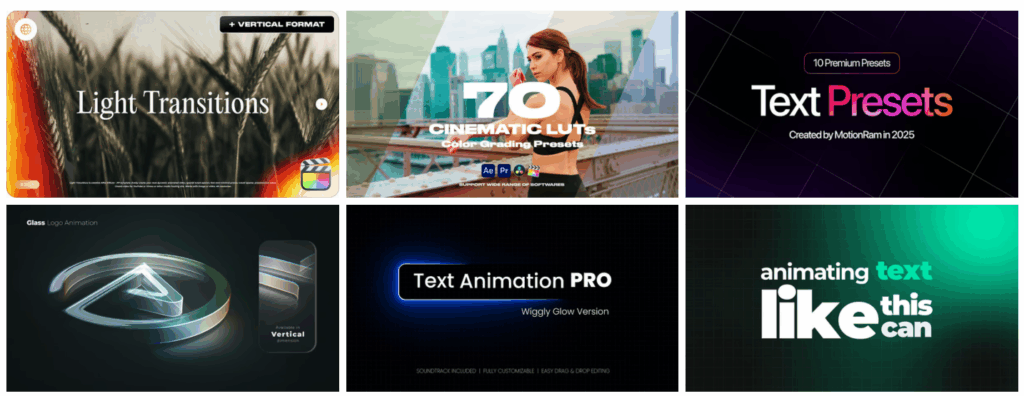
Creating everything from scratch for every video is time-consuming. Reusable templates for intros, outros, CTAs, and transitions can save hours. Templates reduce decision fatigue and allow creators to focus on storytelling. Canva and Envato Elements offer editable video templates for social media that can be adapted to vertical, square, or horizontal formats (Canva Video Templates, Envato Video Templates). A freelancer managing multiple clients can take one template, swap text and images, and publish quickly across Instagram, TikTok, and LinkedIn.
Practical Tip: Maintain a “master template” folder with brand fonts, colors, and logo placements. This ensures consistency while speeding up production.
Tip 3 — Let AI Handle the Repetitive Work
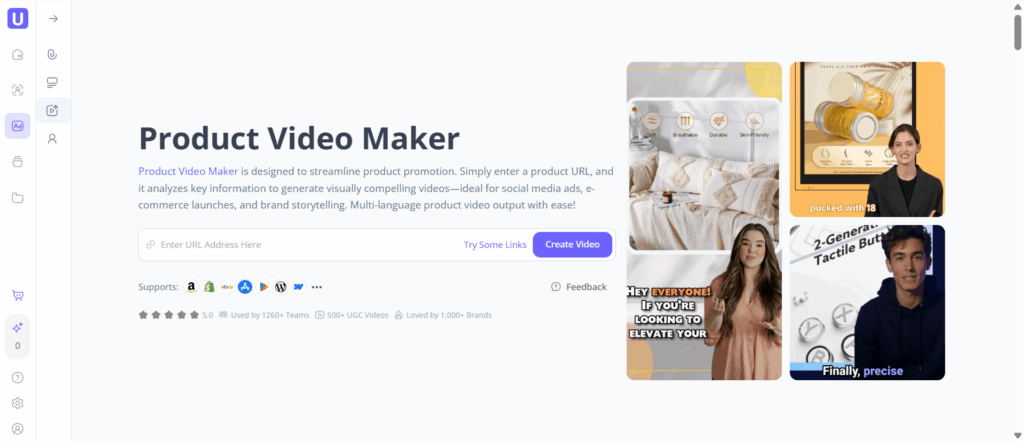
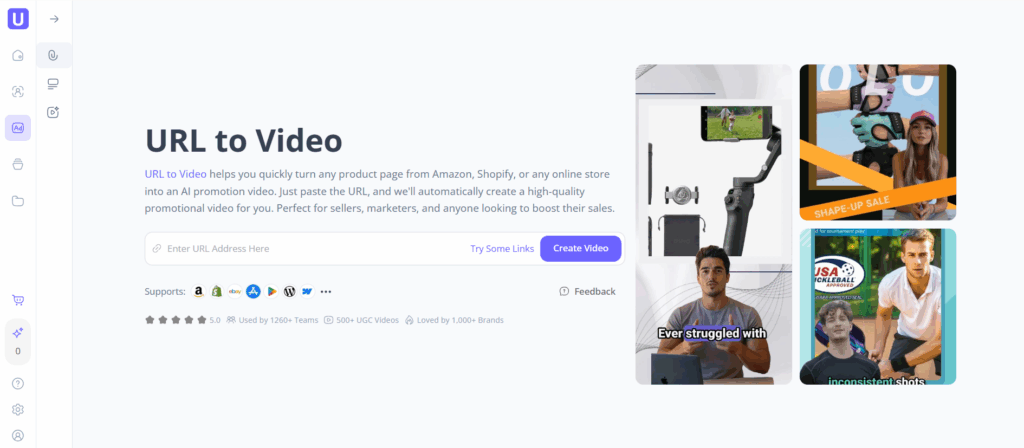
AI tools can automate editing, add subtitles, handle scene transitions, and export videos in multiple formats. This is especially useful for freelancers and small teams managing multiple accounts. By delegating repetitive tasks to AI, you can focus on creative direction and audience engagement. Using URL to Video, creators can generate multiple versions of a single video in different aspect ratios (vertical, square, horizontal) in minutes.
Practical Tip: Set up a workflow where you film once, use AI to cut, caption, and resize, then quickly post across all platforms. This saves days of editing time and ensures a consistent brand voice.
Common Social Media Video Production Mistakes in 2026
Video Too Much Like an Ad
Overly polished, corporate-style videos often fail to resonate with audiences. They can feel stiff, impersonal, or overly scripted, which makes it harder for viewers to connect with the brand. Users today value authenticity and relatability—content that feels human, approachable, and real.
One Video Trying to Say Too Much
Focus on a single topic or takeaway per video. Attempting to pack too much information into one clip reduces retention, confuses your audience, and dilutes your core message. For example, a small e-commerce brand trying to showcase three products and offer a discount in the same 30-second Reel may find that viewers only remember the last product or miss the call-to-action entirely. Instead, creating separate videos for each product or message allows you to highlight key points clearly, increase viewer engagement, and improve overall retention.
Ignoring the First 3 Seconds
Hooking viewers immediately is critical. The first three seconds determine whether someone scrolls past or watches the entire clip. Measuring Social Media Video Production Success (Beyond Views)
Metrics That Actually Matter
- Completion rate
- Engagement (likes, shares, comments)
- CTA click-through rate
- Conversions driven by video
How to Improve Without Re-Shooting Everything
Small changes like improving your thumbnail, revising captions, or testing different intros can drastically improve performance without starting from scratch.
Conclusion: Mastering Social Media Video Production in 2026
All the tips, workflows, and platform-specific strategies come together when you view social media video production as a repeatable system. Success isn’t about one viral video or perfect editing—it’s about consistency, efficiency, and learning from each post.
Freelancers, small businesses, and personal brands who adopt this mindset can:
- Maintain a steady stream of high-quality content without burnout.
- Quickly adapt videos across multiple platforms without starting from scratch.
- Focus more on creativity and storytelling instead of technical busywork.
In 2026, the creators who think systemically—not just skillfully—will consistently engage their audiences, grow their brand, and make the most of their video efforts. By the time you finish reading this guide, the takeaway is simple: build a system, not just a collection of skills.