


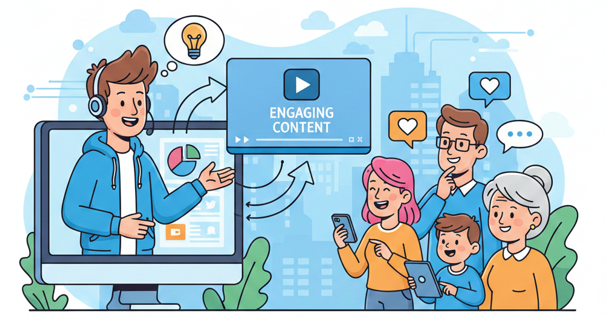
Video content has become the cornerstone of modern marketing. Whether you’re a freelancer, a small business owner, a creator, or an e-commerce seller, knowing how to create engaging video content is crucial to stand out in a crowded digital landscape. In this guide, we’ll break down actionable tips, strategies, and examples to help you captivate your audience, enhance your video content marketing, and ultimately drive sales. And if you’re looking for a fast, AI-powered solution, check out URL to Video, which can turn any product page from Amazon, Shopify, or your favorite online store into a promotional video in just a few clicks.
Understand Your Audience to Create Engaging Video Content
Before diving into production, one golden rule stands: you cannot make video content without knowing your audience inside and out. For freelancers and creators, this means understanding who will watch your videos, what platforms they frequent, and what motivates them to engage or buy. For small businesses, startups, and online sellers, audience insights dictate whether your video content marketing efforts will convert or flop.
Identify Your Target Viewers
Start by creating audience personas. Ask yourself: Who is my ideal viewer? Are they millennials shopping for trendy products on Shopify, or are they small business owners exploring marketing strategies? Consider demographics, interests, and pain points. Knowing these details allows you to tailor your message and style to resonate. For example, a Shopify seller might highlight quick demos of a product, while a freelancer might focus on personal storytelling to connect with clients.
Conducting surveys, analyzing social media engagement, and using analytics tools can help you refine your target audience. If your video content doesn't speak to your viewers’ interests, even the flashiest animations won’t hold attention. Remember: engagement starts with relevance, not production quality.
Align Video Content with Viewer Needs
Once you know your audience, align your content accordingly. Freelancers may emphasize time-saving tips or creative hacks, while small businesses could showcase product benefits, user testimonials, or behind-the-scenes processes. Online sellers, particularly on platforms like Amazon or Shopify, need product-centric videos that highlight features, usage, and value propositions.
Craft a Clear Message in Your Video Content
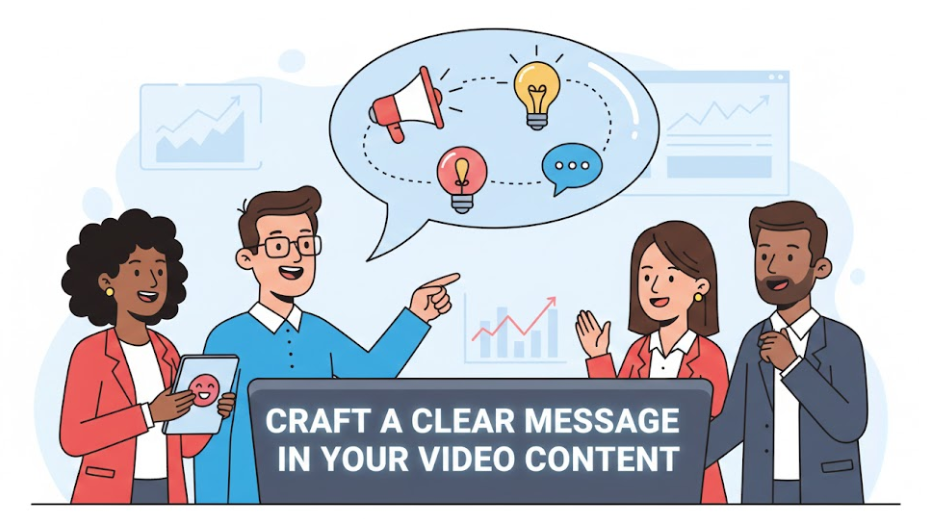
Creating engaging video content isn’t just about flashy visuals or trendy effects. It all starts with a clear, focused message. For freelancers, creators, small businesses, and e-commerce sellers, a well-defined message ensures your audience understands your value immediately—without having to dig through confusing or overly long content.
Define Your Core Idea
Every video should communicate a single, core idea. Before scripting or filming, ask yourself: What is the one thing I want viewers to remember? For a Shopify seller, it could be the unique benefit of a product; for a freelancer, it might be a service offering or creative tip. By centering your video content around one clear idea, you reduce clutter, maintain focus, and make your videos more memorable.
Keep Your Message Concise
In today’s digital environment, attention spans are fleeting. Long, rambling videos often lose viewers before delivering the message. The trick is to communicate your core idea clearly, concisely, and creatively. Break your message into easily digestible segments, and use storytelling techniques to make each point resonate. For example, start with a problem your audience faces, present your solution, and then highlight the benefit in a way that’s relatable.
Concise messaging is also critical for social platforms like TikTok, Instagram, and YouTube Shorts, where viewers expect quick, value-packed content. By keeping your video content focused, you increase watch time, engagement, and the likelihood that viewers will take action. Remember, clarity in your messaging is not just an aesthetic choice—it’s a conversion driver in your video content marketing.
Script and Storytelling Tips for Engaging Video Content
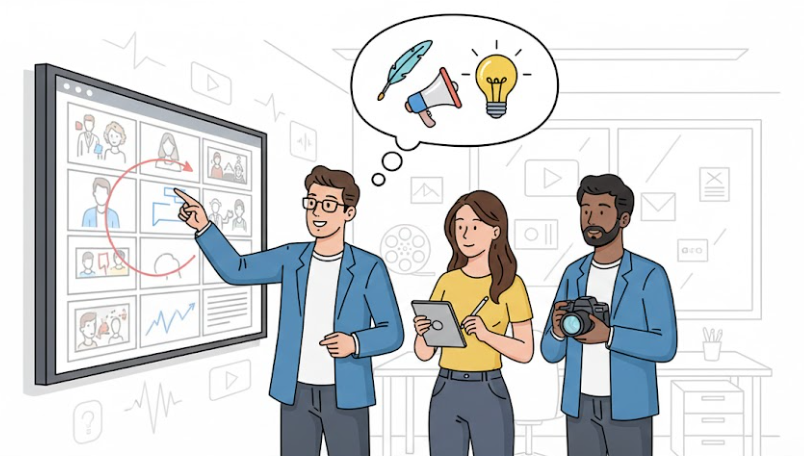
Great video content starts with a strong story. Even the most visually stunning videos can fall flat without a narrative that resonates with your audience. Whether you’re a freelancer creating tutorials, a small business highlighting products, or an online seller showcasing inventory, storytelling is what keeps viewers hooked and ensures your video content marketing is effective.
TIP 1: Start With a Hook
The first few seconds of your video are critical. This is where you grab attention, set expectations, and promise value. Consider starting with a provocative question, a bold statement, or a visual surprise. For instance, if your video is about a productivity tool, you might open with a quick scenario that illustrates a common pain point your audience experiences. A strong hook ensures viewers don’t scroll past and sets the stage for engagement.
TIP 2: Build Narrative Flow
A compelling narrative has a clear beginning, middle, and end. Introduce a problem or challenge early, guide viewers through a solution, and finish with a payoff or actionable insight. Freelancers can structure videos around client success stories, small businesses can show product benefits in a step-by-step format, and e-commerce sellers can demonstrate product use cases. Using story arcs keeps viewers emotionally invested, increasing retention and improving the effectiveness of your video content marketing.
Storytelling also involves pacing. Avoid long, monotonous sections, and break the video into segments with clear transitions. Incorporate elements like surprise, humor, or conflict to make your content memorable. Remember, an engaged viewer is more likely to convert, share, or return for future content.
TIP 3: End With a Memorable Call to Action
Every piece of video content should have a purpose, whether it’s educating, entertaining, or converting viewers. The CTA should be clear, actionable, and seamlessly integrated into your narrative. For freelancers, it might be “Download this free template” or “Follow for more tips.” Small businesses can encourage viewers to “Shop the collection” or “Learn more on our website.” E-commerce sellers might prompt users to “Check out this product now.”
A strong CTA reinforces your core message, provides direction for the audience, and ties the storytelling together with tangible results. Avoid generic CTAs like “Click here” without context—make it relevant, engaging, and connected to the video’s narrative.
TIP 4: Use Humor and Relatability
Humor, relatability, and human elements can transform ordinary video content into content that feels personal and memorable. Small jokes, friendly tone, and real-world scenarios can make your video more approachable and shareable. For creators and freelancers, this is especially effective to build a personal brand and foster audience loyalty. For brands, it can humanize the business and make marketing feel less intrusive.
By combining a strong hook, coherent narrative, memorable CTA, and touches of humor or relatability, you create video content that not only holds attention but also strengthens your video content marketing strategy.
Visual and Audio Elements That Make Video Content Engaging
Even if your script and story are rock-solid, your video content won’t truly engage without top-notch visuals and audio. Freelancers, creators, small businesses, and online sellers need to consider how images, motion, sound, and design work together to create an immersive experience. Attention spans are short, so your video must grab viewers instantly and maintain their interest.
Quality Matters
High-quality visuals and clear audio are non-negotiable. Blurry footage, poor lighting, or muffled sound can instantly turn off viewers. For freelancers, investing in a decent microphone and lighting kit can make your tutorials or personal brand videos appear more professional. Small businesses showcasing products should focus on crisp visuals, proper framing, and accurate color representation.
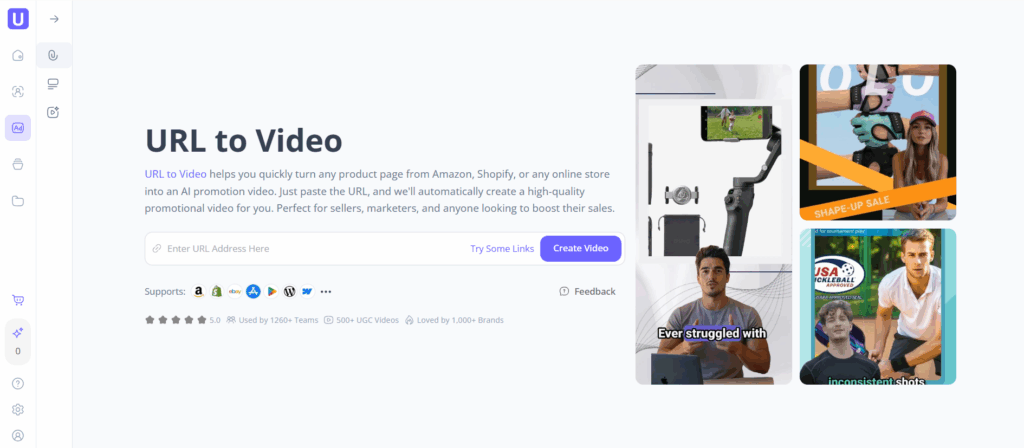
For e-commerce sellers, this challenge is even more obvious: product pages already contain valuable visuals and descriptions, but turning them into engaging video content usually takes time and tools. That’s why solutions like URL to Video exist—to quickly transform any product page into a polished promotional video without complex editing or production setups.
Even simple adjustments like improving brightness, stabilizing shaky footage, or balancing audio levels can make a huge difference. Remember, the brain processes visuals faster than text—poor visual quality can undermine even the most compelling message.
Incorporate Graphics and Animations Wisely
Animations, motion graphics, and on-screen text can enhance video content significantly, but moderation is key. Overloading your video with flashy effects can distract viewers from your core message. For example, small icons, animated pointers, or pop-up text emphasizing key points can make tutorials easier to follow.
Creators can use subtle motion graphics to maintain viewer interest, while small businesses can animate product benefits to visually demonstrate advantages. The goal is to complement the narrative, not compete with it. Good animation reinforces your video content marketing strategy by making information more digestible and memorable.
Keep It Authentic
Authenticity resonates more than perfection. While visuals and audio are important, videos that feel human, relatable, and genuine tend to perform better. Creators showing real reactions, small businesses including behind-the-scenes moments, and e-commerce sellers demonstrating real usage all benefit from authenticity. Your audience wants video content they can trust, relate to, and remember.
Optimize Video Content Marketing for Multiple Platforms
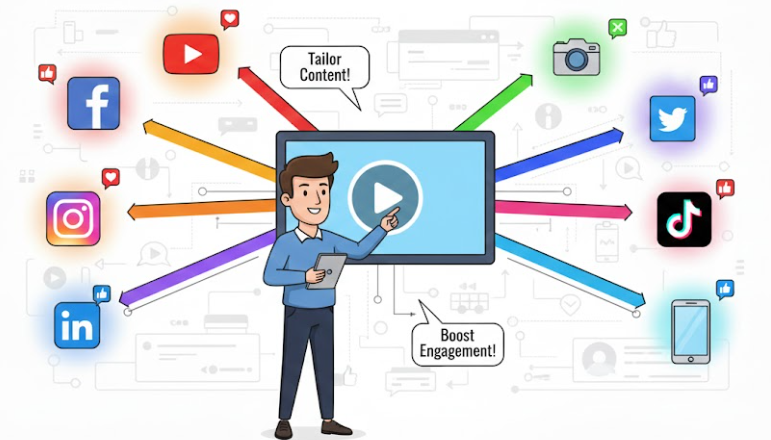
Creating amazing video content is only half the battle; distributing it effectively across multiple platforms is what makes your video content marketing truly successful. Freelancers, small businesses, and e-commerce sellers often make the mistake of posting the same video everywhere without considering platform-specific nuances. Optimizing for each platform ensures your content reaches the right audience in the right format, maximizing engagement and conversions.
Adapt Video Content for Multiple Platforms
Adapting your content is a smart way to maximize your marketing ROI. A single piece of video content can be cut into bite-sized clips for social media, transformed into GIFs, or used as a part of email marketing campaigns. Freelancers can break down tutorials into mini-tips for quick sharing. Small businesses can create teaser videos to drive traffic to their full content.
Understand Platform Algorithms
Each platform has its own algorithm that determines which videos get seen. Understanding these rules can dramatically boost your visibility. For example, TikTok and Instagram prioritize content that drives engagement quickly, while YouTube values watch time and consistency. Tailoring your video content to meet these expectations—such as adding captions for silent viewing, creating eye-catching thumbnails, or posting at peak times—can significantly increase your reach.
Test, Analyze, and Iterate
Finally, the key to optimizing video content marketing across platforms is continuous testing. Try different formats, styles, lengths, and posting times. Monitor analytics like view duration, engagement, click-throughs, and shares. For freelancers and small businesses, these insights reveal what resonates with your audience. Adjust your strategy based on performance, and don’t be afraid to experiment with new ideas or trends.
Measure and Improve Your Video Content Marketing Performance
Creating engaging video content is only effective if you know whether it’s working. For freelancers, small businesses, and online sellers, measuring performance helps you understand what resonates with your audience, optimize your video content marketing, and make data-driven decisions. Without analytics, even the best videos can underperform.
Track Key Metrics
Start with the basics: views, watch time, engagement rate, click-through rate (CTR), and shares. These numbers tell you how well your content is being received. For example, a small business posting product demos wants high watch time and CTR, while a freelancer sharing tutorials focuses on comments and shares.
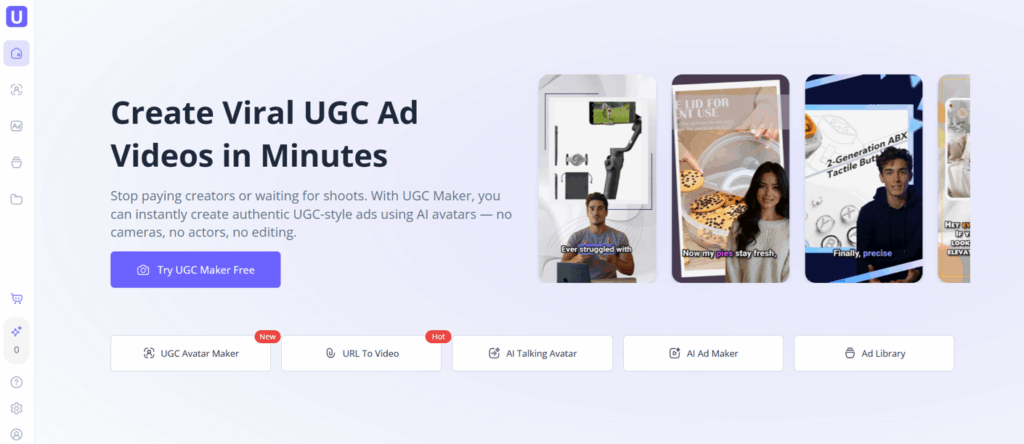
For sellers or marketers looking for a quick way to generate and test videos, tools like URL to Video can create multiple versions of promotional videos from any product page, enabling you to compare performance without extensive production work. Similarly, exploring UGC Maker helps diversify your content and track which formats resonate best with your audience.
Analyze Audience Behavior
Metrics are useful, but understanding the “why” behind the numbers is crucial. Look at which segments are engaging most with your videos. Are viewers dropping off at a particular point? Do certain products get more clicks or conversions? Understanding these patterns allows freelancers and small businesses to refine both messaging and visuals in their video content marketing campaigns.
Iterate and Improve
Successful creators know that no video is perfect on the first try. Use data to iterate on scripts, visuals, audio, and distribution strategies. For example, if a demo video gets high clicks but low retention, consider shortening it or adding a more compelling hook. If tutorials have low engagement, enhance interactivity or storytelling elements.
Measurement and iteration create a feedback loop that ensures every new video you produce is better than the last. By combining analytics, audience insights, and continuous experimentation, your video content becomes more effective, helping you achieve stronger engagement, better conversions, and a more successful video content marketing strategy.
Conclusion: Bring Your Video Content Marketing to Life
Creating engaging video content isn’t just about having the latest camera, fancy effects, or trending music—it’s about connecting with your audience, delivering a clear message, and optimizing every aspect of your content to achieve measurable results. Whether you’re a freelancer, a small business, an e-commerce seller, or building a personal brand, the principles we’ve covered can help you stand out and get noticed in the crowded digital landscape.
Recap Key Takeaways
- Know Your Audience – Understanding who you’re speaking to ensures your videos resonate and hold attention. The more tailored your content is to viewer needs, the more likely it is to engage and convert.
- Craft a Clear Message – Focus on a single core idea in each video. Concise messaging helps viewers quickly understand the value you’re providing.
- Leverage Storytelling – A strong narrative with a hook, problem-solution flow, and memorable CTA keeps your audience engaged from start to finish.
- Optimize Visuals and Audio – High-quality visuals, clean sound, and authentic presentation make your video content enjoyable and professional.
- Adapt Across Platforms – Tailor video formats and styles to match platform-specific requirements. Repurpose content strategically to maximize reach and ROI.
- Measure, Analyze, Iterate – Use data-driven insights to refine your videos, improve engagement, and strengthen your overall video content marketing strategy.
Actionable Advice
- Experiment with different formats and styles to see what resonates best with your audience.
- Keep videos concise while still delivering meaningful content.
- Infuse humor, personality, and authenticity—people engage with people, not faceless brands.
- Use analytics to continuously improve; even small adjustments can significantly boost engagement and conversions.
By following these principles, your video content will not only capture attention but also foster stronger connections with your audience, enhance your marketing effectiveness, and ultimately help grow your business or personal brand.
Remember, creating engaging videos is a combination of creativity, planning, and iteration. Don’t be afraid to test, experiment, and evolve. Every new video is an opportunity to refine your strategy, delight your audience, and achieve tangible results in your video content marketing journey.