


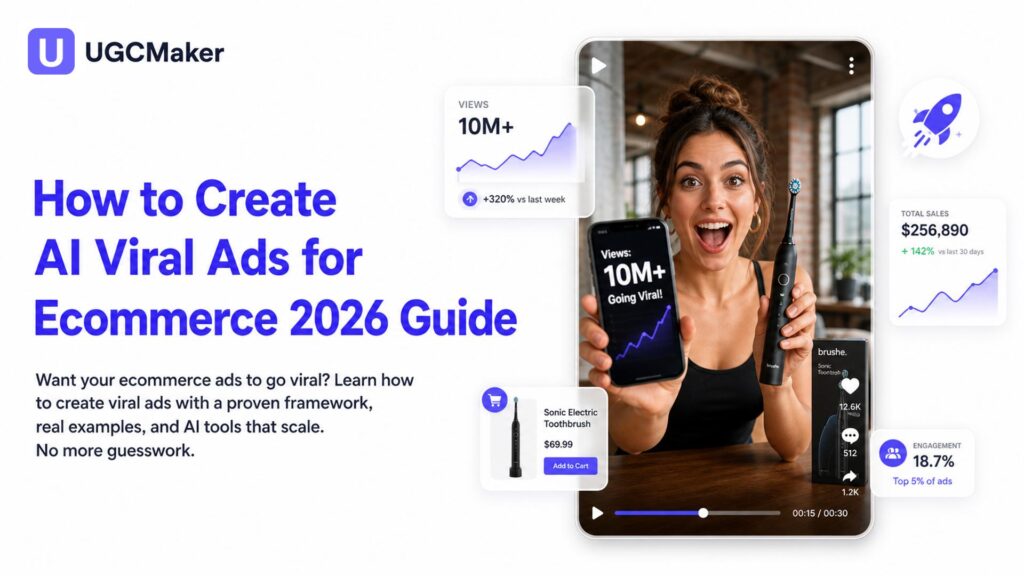
Viral ecommerce ads almost never come from bigger budgets, they come from an authentic hook, a fast-moving production process that lets you test many angles at once, and the discipline to double down the moment one variation starts pulling ahead. AI UGC video tools make that process realistic for small teams by removing the production bottleneck.
Going viral isn't luck, even though it can look that way from the outside. Every case behind this guide, a car surviving a fire with a $45 tumbler still intact, a guacamole hashtag challenge, a single creator video turned into a paid ad, has the same underlying pattern: a low-friction hook, real (not overly polished) content, and a brand ready to react fast once something started moving.
This guide breaks down what actually makes ecommerce ads travel, walks through three documented cases with real numbers, and gives you a repeatable framework, including where AI production fits in, so virality stops being something that only happens to other brands.
What Makes an Ecommerce Ad Go Viral
Authenticity Beats Production Value
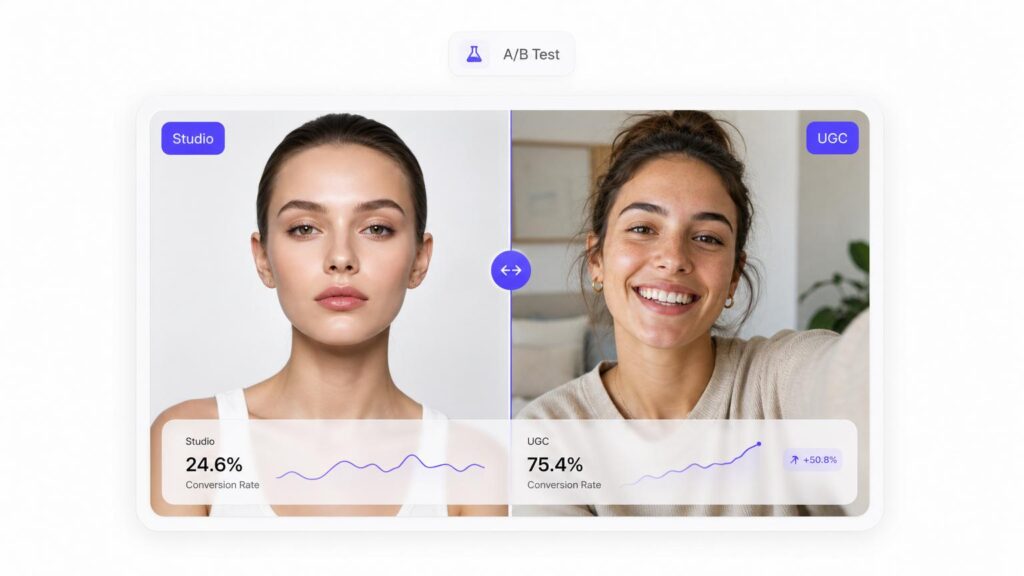
None of the biggest viral ecommerce moments of the last few years started as a studio production. They started as a phone video, a customer post, or a creator clip that felt like content, not advertising. Audiences share what feels real and skip what feels like a pitch, which is why UGC-style ads consistently outperform polished brand creative: UGC-based ads generate roughly 4x higher click-through rates and about 50% lower cost-per-click than traditional branded ads, according to aggregated 2025–2026 performance data across Meta and TikTok.
Humor and Emotion Travel Faster Than Product Features
People don't share a spec sheet. They share something that made them laugh, feel seen, or want to be part of the joke. The most effective ecommerce virality isn't built around "why our product is better", it's built around a moment, a reaction, or a story that happens to feature the product.
Timing and Cultural Relevance
A hook that would flop in isolation can take off the moment it lines up with something already moving through culture, a trend, a season, a shared moment online. Brands that watch for these openings and move quickly, rather than running the same evergreen ad for months, are far more likely to catch a wave when it forms.
Real Viral Ecommerce Ad Examples (And Why They Worked)
Example 1: Stanley's "Car Fire" Video
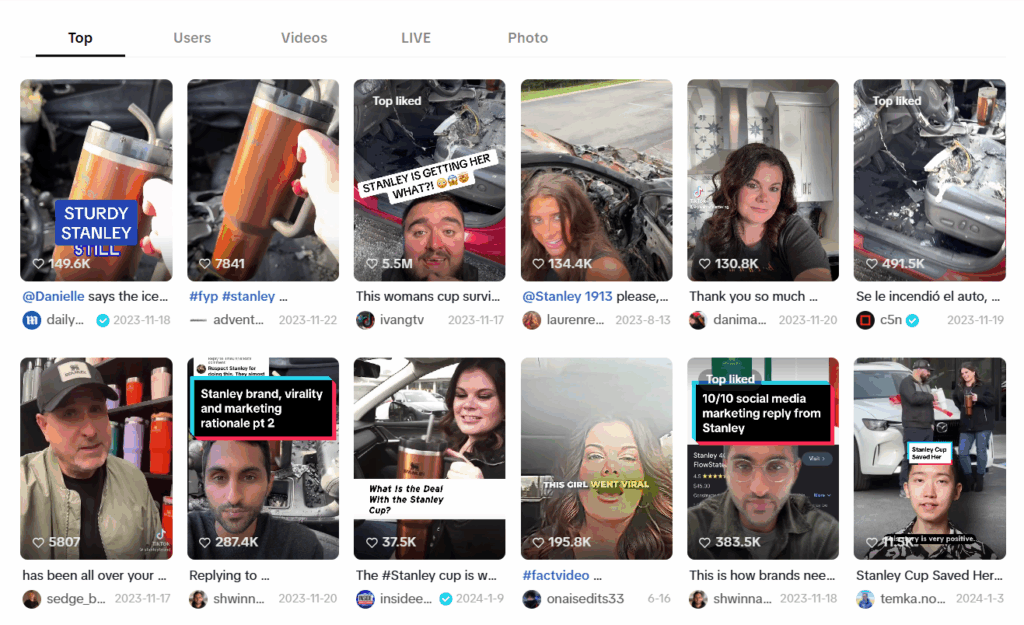
What it was: In late 2023, a TikTok video showed a car that had burned in a fire, with the owner's Stanley Quencher tumbler recovered from the wreckage, ice still intact inside. Stanley responded publicly and replaced the woman's car.
Why it traveled: The moment wasn't scripted or paid for. It was unscripted proof of a product claim (durability) delivered through a real, emotional story, and the brand's public response turned bystanders into participants.
The proof: The original video reached roughly 94 million views, and the #StanleyCup hashtag went on to accumulate close to 7 billion views on TikTok. Stanley's annual revenue grew from about $74 million in 2019 to roughly $750 million in 2023, a jump widely credited to this TikTok-driven demand.
Example 2: Chipotle's #GuacDance Challenge
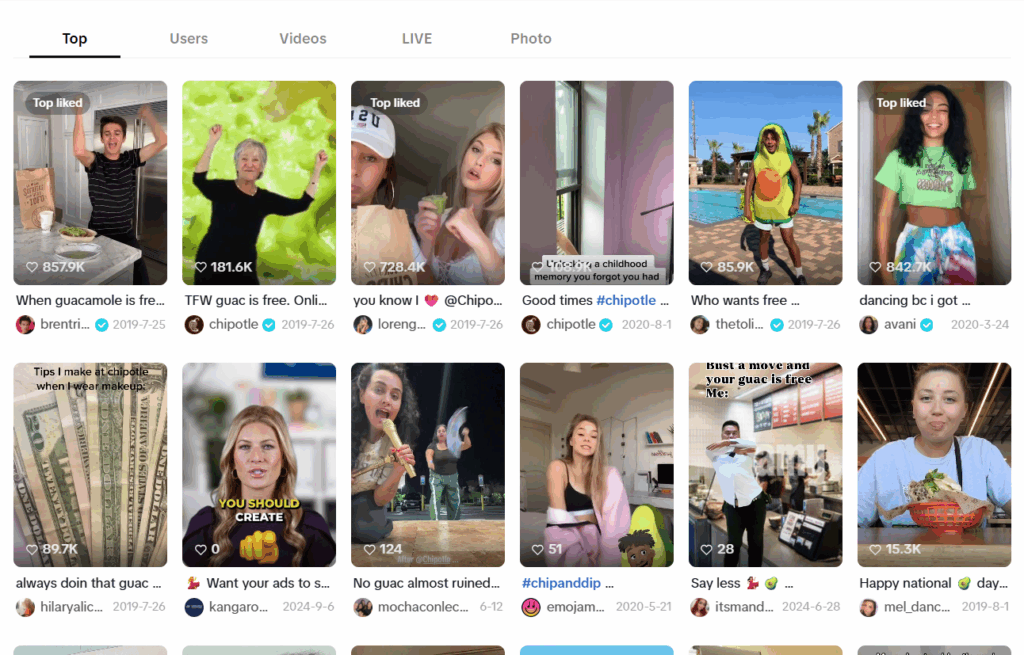
What it was: Chipotle launched a hashtag challenge on National Avocado Day, inviting users to post a video "avocado dance" for a chance to win free guacamole.
Why it traveled: It turned customers into the ad creative. Instead of telling people to buy guacamole, Chipotle gave them a low-effort, fun way to participate, and every entry became free distribution.
The proof: The challenge generated more than 800,000 video entries and drove Chipotle's biggest guacamole sales day on record.
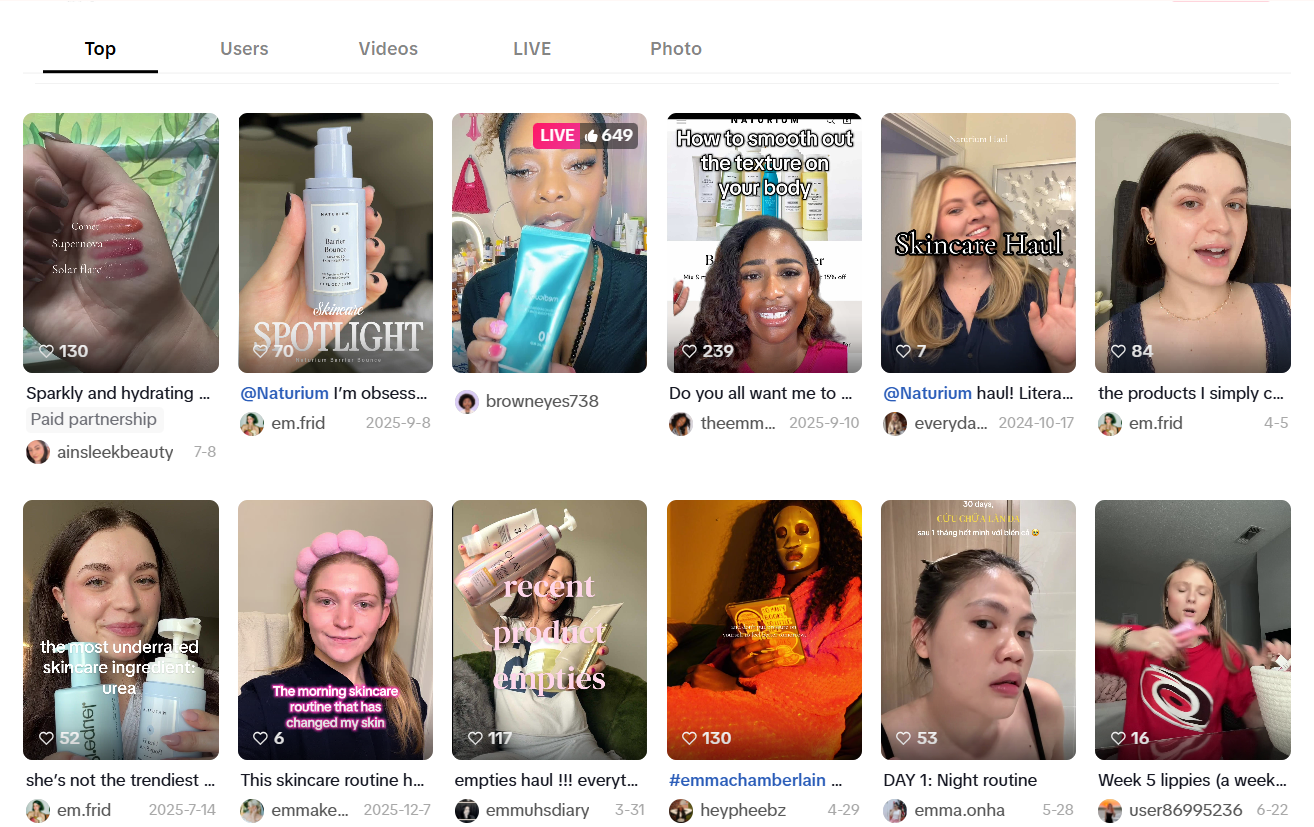
Example 3: Naturium x Emma, UGC Turned Paid Ad
What it was: A licensed esthetician named Emma posted an organic TikTok reviewing several Naturium skincare products, explaining the active ingredients in each. Rather than filming a separate branded ad, Naturium boosted Emma's existing video as a Spark Ad.
Why it traveled: The content read as educational, not promotional, a real esthetician explaining real ingredients, which is exactly the kind of content TikTok users engage with and trust more than studio-shot ads.
The proof: Because Spark Ads preserve the original post's likes, comments, and shares, the paid version carried forward all of the organic video's existing social proof, a format TikTok and Shopify both point to as one of the strongest-performing ad types precisely because it doesn't look or feel like a traditional ad.
A Framework for Creating Viral Ads
Step 1 – Lead With a Hook, Not the Product
Every example above opens with a moment, not a product shot: a car fire, a dance challenge, a real skincare review. Before you write a script, define the hook, the first line or first three seconds someone sees, separately from the product pitch. If the hook only works because it's attached to your product, it's not strong enough yet.
Step 2 – Write for Shares and Comments, Not Just Views
A view is passive. A share or a comment means someone tagged a friend, argued a point, or wanted to be part of the moment, and that's what pushes a piece of content past its original audience. When reviewing a script or storyboard, ask whether someone would actually forward it to a friend, not just watch it once.
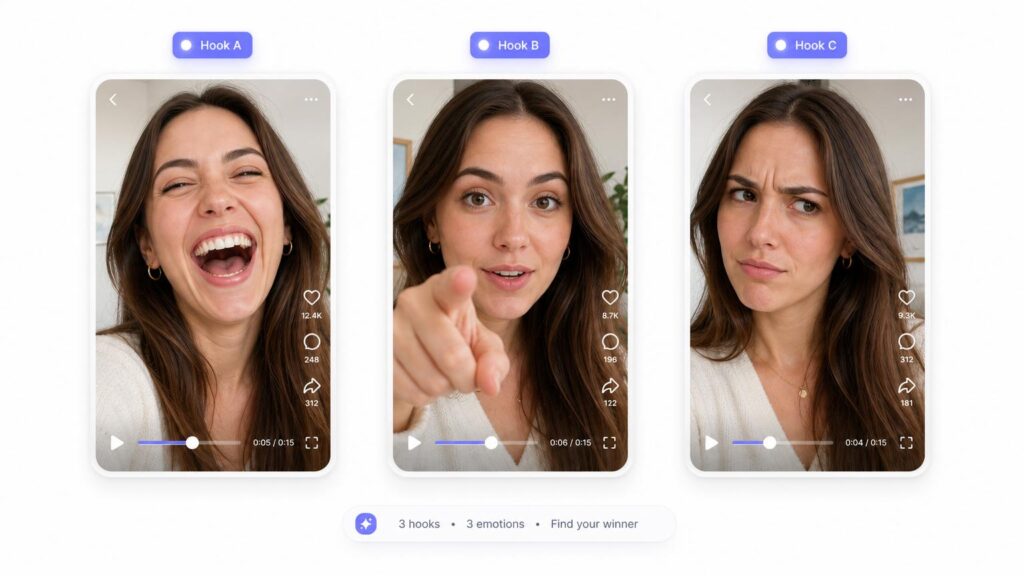
Step 3 – Produce Fast and Test Many Variations at Once
None of the brands above got their viral moment right on the first and only try. The difference is that they had (or reacted with) enough creative volume to have something ready when a moment hit, or, in Naturium's case, the speed to spot a great piece of UGC and turn it into a paid ad quickly.
Why Volume Beats a Single "Perfect" Ad
A single ad, however well-crafted, is one bet. Ten variations with different hooks, tones, and pacing are ten bets, and you only need one to catch. This is where traditional production breaks down: booking creators or shoots for ten concepts takes weeks. Producing ten AI-generated variations from the same product input can take a single session, which is why AI UGC tools have become the practical way for lean ecommerce teams to test at the volume virality actually requires.
Step 4 – Watch Early Signals and Double Down Fast
Once content is live, the first 24-48 hours tell you whether a hook is working, through comments, shares, and watch-through rate. The brands that benefit most from a viral moment are the ones ready to react immediately: boosting the post, replying publicly, or producing follow-up content while attention is still high, the way Stanley did by responding directly to the woman in the car fire video.
How to Use AI to Scale Viral Ad Production
Generating Multiple Creative Angles Without a Full Production Team
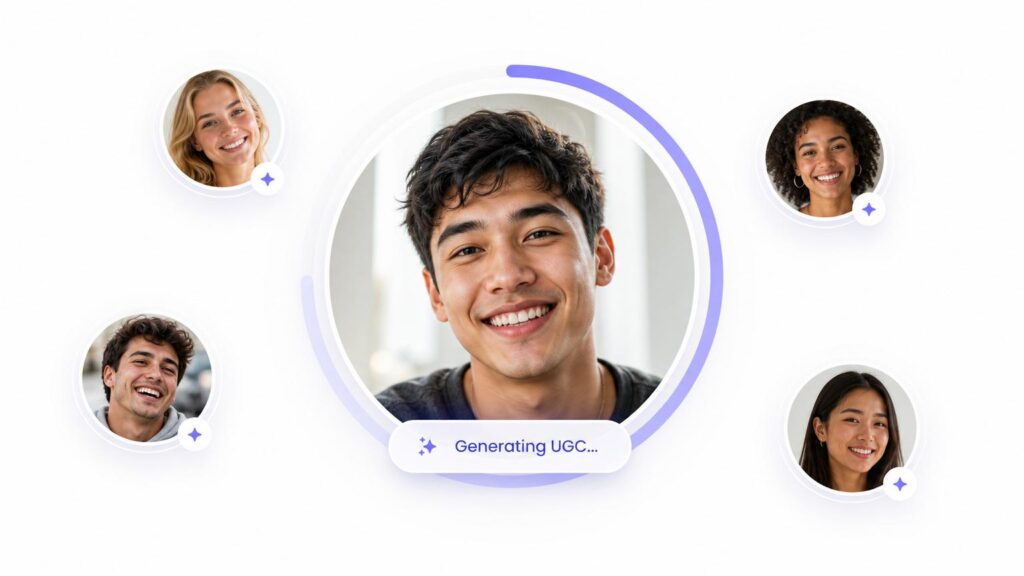
Hiring individual UGC creators for every hook you want to test is slow and expensive, and coordinating a roster of creators across briefs, revisions, and delivery timelines adds even more lag before you can test anything. If you're comparing that route against other options, this overview of UGC platforms breaks down how the major creator marketplaces differ. For teams that need to move faster, Marketing Studio generates multiple ad-ready video variations, different hooks, avatars, and scenes, from the same product assets in a single session, so you can test several angles in the time it would take to brief one creator.
Turning a Product Page Into Ad-Ready Video
Not every SKU has existing photos or footage worth building a hook around. URL to Video lets you paste a product page link and generate video content directly from it, which is useful when you're trying to get a new or lower-priority SKU into testing without a separate content shoot.
Localizing Winning Concepts for Cross-Border Campaigns
A hook that works in one market doesn't always translate directly, humor, cultural references, and even what counts as "authentic" shift by region. Once a concept proves itself, localizing the script and voiceover for other markets lets you extend a working angle instead of starting from zero for every new market.
Common Mistakes That Kill Virality
- Chasing a trend that doesn't fit the brand. Jumping on a meme or challenge that has nothing to do with your product usually reads as forced, and audiences notice.
- Testing one "hero" ad instead of a range of hooks. A single polished ad is a single guess. Virality favors volume and variation.
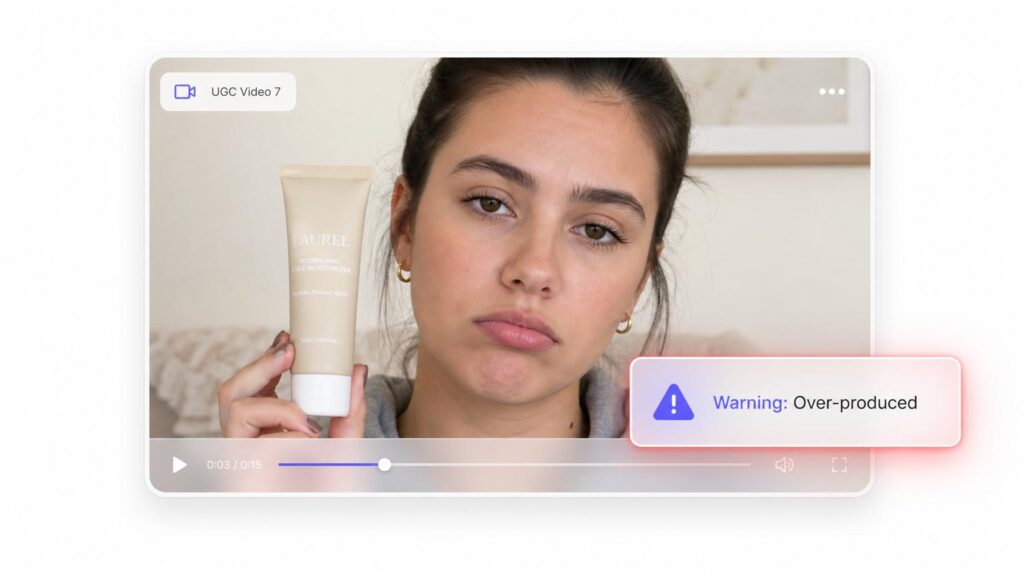
- Over-producing the content. Studio lighting, scripted delivery, and heavy editing are often what make an ad feel like an ad, the opposite of what made every example above work.
- Missing the window to react. Comments and shares peak early. Brands that wait days to respond or capitalize on a moving post lose most of the compounding reach.
Start Creating AI Viral Ads with UGC Maker
Virality isn't guaranteed, but the odds improve dramatically when you can test more hooks, faster, without waiting on a full production cycle. An AI UGC video platform lets you generate the volume of authentic-feeling creative that gives a real hook the chance to catch on, before your budget or your team's time runs out.
FAQ
What makes an ecommerce ad go viral?
Ecommerce ads tend to go viral when they lead with an authentic, low-production hook rather than a polished product pitch, tap into something already culturally relevant, and come from a brand ready to react quickly once the content starts gaining traction.
Can AI-generated ads actually go viral?
Yes. Virality depends on the hook and authenticity of the content, not how it was produced. AI UGC tools are increasingly used to generate the UGC-style, unpolished-feeling videos that perform best, and to produce enough variations to give a strong hook a real chance to take off.
How many ad variations should I test before finding a winning hook?
There's no fixed number, but the brands behind viral moments typically had (or could quickly produce) several creative angles in rotation rather than relying on a single ad. AI generation makes producing 10+ variations from one product realistic for small teams.
How is a viral ad different from a regular performance ad?
A performance ad is optimized to convert the audience it's shown to. A viral ad is built to be shared beyond its original audience, which means the hook, emotional pull, and shareability matter as much as, or more than, the direct product pitch.